


Appalachian Voices: Trey Hedrick


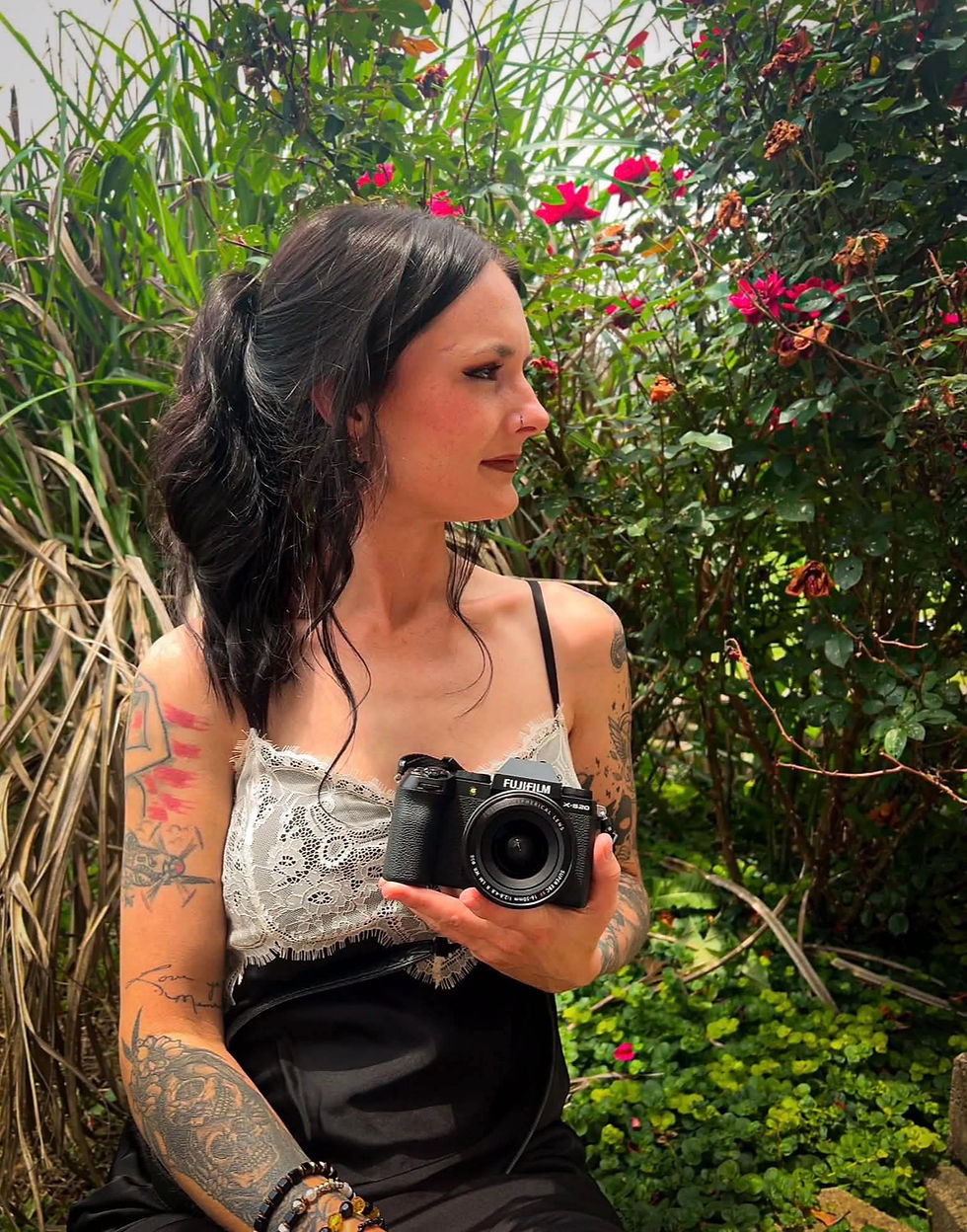
(Photo Credit - @misguidedlens)
Don’t look now, but there’s a musical movement coming from the Appalachian Region. As a native of the Appalachian region in Ohio and an alumni of Ohio University and West Virginia University, it’s on me to share some of these voices! Today we’re talking with Wilkesville, OH native Trey Hedrick! Hedrick released his debut record ‘Sing, Appalachia’ earlier this year.
“You are part of an emerging group of singer/songwriters and bands on the scene coming out of the Appalachian region (I’m from there too!), particularly West Virginia. Can you share how the region has impacted your sound and upbringing in music?”
“It's definitely shaped my sound in a profound way. My family all loved bluegrass and country music, and those were the first songs I learned to play and sing. My mamaw would teach us harmonies from old gospel songs, and pap was always playing something old from his favorites like Lefty Frizell or a Tom T. Hall. Dad always loved Blackhawk and sad ballads. Mom loved hip hop and R&B and grunge. They divorced when I was 2. The list of characters around me at any given time and the way they lived their lives certainly had an impact on me as well and still does with my writing, it's good material.”
“I do think, though, that my sound is heavily influenced by non-regional musicians and bands for the most part. That's part of the beauty of being an Appalachian artist, same as it is for most artists who take something that inspires them and, through their filter, make something unique and personal. My sound and what I hear from our region is something unique to place.”
You have a musical upbringing in that your grandfather was a coal miner who played anything from a guitar, mandolin, and fiddle (to name a few). You picked up guitar at an early age. How did your grandfather’s playing influence you as a musician?
“He’s such a big piece of my life and I always feel guilty for only speaking of him in the context of music, but I don’t think he’d mind as much. Music and farming were most of what he cared about and did for the years of influence he could have on me and it’s the majority of the way I remember him. He was always willing to show me a lick or a song and it really became a beautiful way for us to have something special to bond over. It worked that way between us for years and years until his stroke. Now it looks different for him but it’s still in him and he lights up whenever we play and sing. He’s a great man and great men lead by example and I’m just lucky I was paying attention to some of it. Same goes for my Dad.”
You were working full time as a geologist throughout the country. How did you decide to leave that behind and come to pursue music as your chosen profession?
“I think most people assume I am full time because of how much I am able to tour and play, however, sadly I am not. I can’t at this point afford to do music full time. I am in the beginning of my career even though I’ve played my whole life. I just started working and playing out a little under two years ago with my first album release in February of this year. So I am building but I have a very solid team that I am very grateful for.”
“I do love working as a geologist. I do environmental remediation work and soil and groundwater cleanup so it’s fairly rewarding. The goal to be a full time musician isn’t changing - I have big dreams for my music career and I am working very hard.”
Your debut record Sing, Appalachia is qualified on streaming as country, but from a genre perspective it’s so much more. There are obviously hints of bluegrass, Americana, and even some aspects that remind me of my childhood, singing in church in an Appalachia (especially on “A Better Year” feat. Maya De Vitry). How did you take all these different influences and make something that’s very focused and accessible to listeners?
“I've been resolved to create what I would want to hear and not give too much thought toward a "listener". That might not be what the industry wants to hear, but I won't compromise my art for better placement on some arbitrary list or for the sake of an algorithm. That will come and go.”
“There are many sounds from different decades I draw inspiration from. That inspiration, combined with trusting myself to filter it, has been how I've approached it. That may change. Who knows. But generally, I am always wanting to write better and sound better, which I think is an annoying, cliché thing for an artist to say, but it's the truth.“
You had the opportunity to meet a childhood hero of yours Tim O’Brien, a GRAMMY winner who is featured on “Shoestring”. For those who don’t know, O’Brien is a legend, especially in bluegrass circles. What was that experience like working with someone you looked up to?
“Working with Tim was great. What an incredible talent and a real sweetheart of a person. I found him to be very professional and very welcoming of me and my songs. Singing harmonies with him was surreal, and to hear him say that he loved my voice was something any singer would carry with them. He gravitated toward the idea of Shoestring the character and when he said he’d like to play fiddle and sing on that one, I was honored. Talk about the real sounds of Appalachian music. We all owe Tim for his contributions to music, especially Appalachia.”
You also had the opportunity to work in Nashville with producer Sean Sullivan, who is a heavyweight in the industry, who’s credits include Sturgill Simpson, Tyler Childers, and Cole Chaney. What was it like having such a mega power in your corner for the production aspect of Sing, Appalachia?
“For a newbie to the studio and to Nashville for that matter, Sean couldn't have been a better choice for me. He's an Ohio guy, and we had a lot of other things in common too, to where we just clicked immediately. We emailed so much before coming to the studio to get things right where I wanted them, with who to bring in and what styles I was going for. He has an interesting way of getting the best out of everyone in the studio while also making you feel like everything you did was excellent each time. It was always a positive vibe with Sean.”
“You'd also never know Sean was a big deal if you didn't search pretty hard. Very humble, doesn't keep any Grammys or accolades laying around the studio. He's all about getting the best sound and cultivating a creative environment. A real pro at what he does, and someone I take a lot of inspiration and advice from now that we've become friends. “

Comments